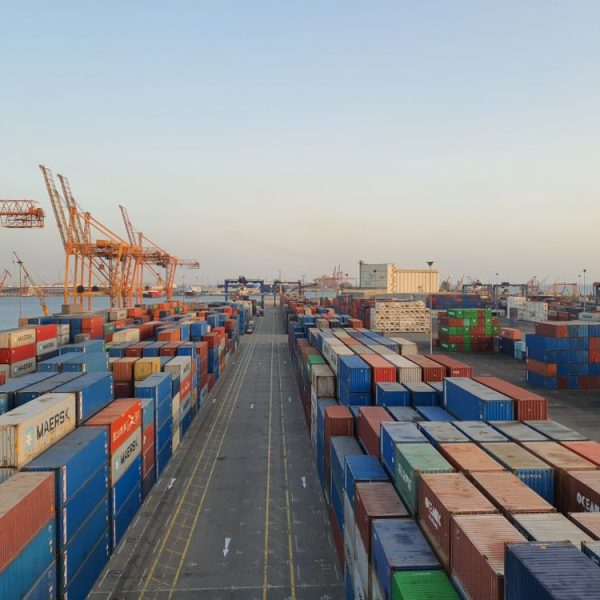
Selling abroad starts with paperwork. Before a single crate leaves the warehouse an exporter needs product sheets safety documents certificates of origin and commercial invoices that the buyer and customs officials can read. A small company without a language plan quickly hits delays. This guide shows which documents matter most and how to translate them without overspending.
Why Language Slows Exports
Customs offices process thousands of shipments a day. An unclear or unreadable document gets set aside. The goods then sit in a warehouse and storage fees accumulate. Even a minor wording mistake can trigger an inspection. Clear translations speed up clearance and show buyers that your company is serious about the relationship.
Core Documents to Prepare
Start with the commercial invoice the packing list and the certificate of origin. Add product data sheets safety information and user manuals as required by the destination market. If you sell regulated goods such as food or electronics include declarations of conformity. Prepare a master list per country because requirements vary and change over time.
Use Specialists for Business Content
Good business translation services are built on teams that know trade terminology and the formats customs expects. Incoterms and tariff codes must stay precise. A creative rewrite of a product description may help marketing but harms a legal declaration. Make sure your provider separates promotional translation from regulated content and applies different rules to each.
Official Guidance for Exporters
Governments publish free resources. The International Trade Administration offers market research and compliance guides that explain what documents each country requires. Check these pages before you finalize your file list. Official guidance lowers the risk that you translate unnecessary papers or omit a key one.
Trade Rules and Standards
International agreements shape what buyers can demand. The World Trade Organization publishes trade rules on technical standards labeling and customs valuation that affect documents. Skim the sections relevant to your goods. Understanding the framework helps you prepare consistent files across several markets and talk confidently with partners.
Labels and Packaging
Packaging text must also be translated and sometimes redesigned. Languages vary in length so a short English line might need two lines in German or Finnish. Plan space for expansion. Some markets require specific symbols and warnings. Work with a designer who can handle multiple languages and ask your translator to review proofs before printing.
Invoices That Buyers Accept
The invoice should show company names addresses tax numbers payment terms and a clear description of goods. If you bill small orders yourself an online invoice generator can create consistent documents without extra software. Ask your translator to prepare a bilingual template so that every future invoice matches the language needs of your main buyers.
Build a Glossary Early
List product names technical terms and brand phrases and fix their translations in a shared sheet. Update it with every launch. It prevents the same item being named three ways across catalogs and invoices. It also saves money because the translator does not need to research the same terms again.
Certified Versus Standard
Not every document needs certification. Marketing material and manuals can use standard translation with review. Certificates of origin declarations and legal contracts may need a signed statement. Ask the buyer or the customs broker which items require it. Certifying everything inflates cost while certifying nothing risks rejection.
Budget and Timeline
Plan translation into the product launch schedule. Allow a week for medium sized projects and more for technical manuals. Ask for volume discounts if you will send content regularly. A predictable stream of work usually earns better rates and faster turnaround than one off rushed requests.
Avoid Machine Only Shortcuts
Automatic tools are useful for understanding an incoming email but risky for outgoing trade documents. A mistranslated unit or a wrong date can cost a shipment. Use software for drafts and always have a human review the final version. This balance keeps costs reasonable and quality high.
Your Export Language Plan
Map the target markets and list the documents each requires. Choose a provider with trade experience and build a glossary. Decide which items need certification and schedule translation early. With these steps your shipments will move smoothly and your small company will look like a reliable partner.
Working with Customs Brokers
A customs broker knows the exact paperwork each border expects. Share your translated documents with the broker before shipping to confirm they meet local rules. Ask which language the authority prefers for descriptions of goods. Brokers often catch small mismatches between the invoice and the packing list that would otherwise cause a hold at the port.
Handling Product Updates
When a product changes the related documents change too. Keep a log that links each document to the product version it describes. Send only the modified sections to your translator to save money. A translation memory will recognize unchanged sentences and give you a lower price for them. This habit keeps your files accurate across every market.
Cultural Details That Matter
Dates currency symbols and units differ between countries. A date written in one format may be read differently elsewhere. Ask your translator to adapt these details and not just the words. Names of months and addresses should follow local custom. Small adjustments show professionalism and avoid confusion at the border and in the accounting office.
Training Your Sales Team
Even excellent translations fail if the sales team sends the wrong version. Give staff a simple folder structure with approved documents per country and language. Name files clearly and archive old versions. Ten minutes of training can prevent a costly mix up when a busy employee attaches the wrong file to a quotation for an important buyer
Review Before Shipping
Before each shipment run a quick checklist. Compare the invoice with the packing list. Check that product codes match across all papers. Confirm that the certificate carries the right date and signature. Then send the full set to the buyer for approval. This last review takes minutes and prevents days of delay at the border