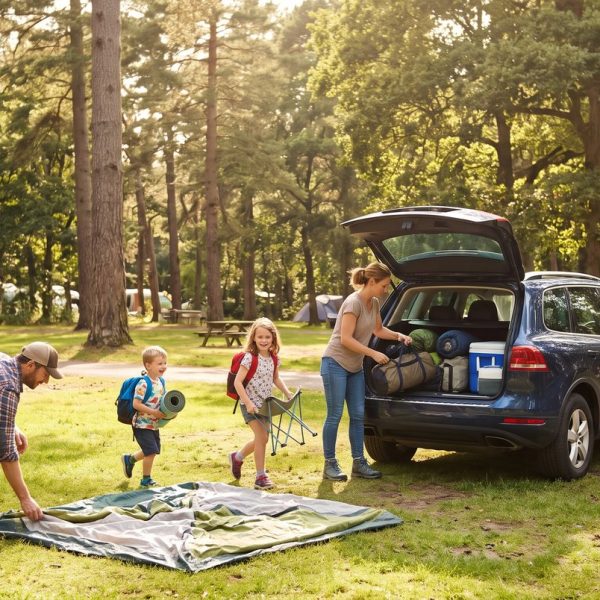
Many parents want to take their kids camping but put it off year after year. It feels like too much gear, too much planning and too much that could go wrong. The truth is that a first family camping trip can be simple. You do not need expensive equipment or a remote wilderness site. You need a short trip, a good campsite and a plan that keeps everyone fed, warm and busy.
This guide walks you through a first trip step by step, from choosing where to go to the drive home. It is written for families who have never camped before, or who have not camped since they were kids themselves.
Step 1: Pick the Right Kind of Trip
The best first trip is short and close to home. One or two nights is plenty. If the campsite is less than two hours away, you can always pack up and leave if the weather turns or someone gets sick. That safety net takes a lot of pressure off.
Think about what kind of camping suits your family. A campground with marked sites, toilets and running water is the easiest choice. If sleeping on the ground feels like too big a step, cabins and glamping tents with real beds are a gentle way to start. Many families try a night in the backyard first, just to test the tent and the sleeping bags.
Step 2: Choose a Family-Friendly Campsite
Not every campsite is a good fit for children. When you compare options, look for:
- Clean toilets and showers within a short walk
- Drive-up sites, so you can unload gear from the car
- Flat, shady pitches away from busy roads
- A playground, beach, creek or short trail nearby
- Quiet hours, so you can get the kids to sleep
Read recent reviews and look at photos of the actual pitches. Book early, especially for weekends in summer, and ask for a site that is not right next to the bathrooms, where foot traffic and lights continue all night.
Step 3: Plan Together With the Kids
Children enjoy trips more when they feel part of the plan. Show them pictures of the campground, let them choose one meal for the trip and give them a simple job, such as packing their own bag or being in charge of the flashlights. A guide to camping with kids from the family blog Times Bay makes the same point: involving children in planning and packing turns the trip into their adventure, not just yours.
Step 4: Borrow Before You Buy
Camping gear adds up quickly, and you may not need much of it for a first trip. Before you buy anything, ask friends and family what they can lend. Many people have a tent, sleeping bags or a camp stove sitting in the garage. Some outdoor stores and community groups also rent gear.
The basics you will need are a tent, a sleeping bag and pad for each person, a light source for everyone, a way to cook, and warm, waterproof clothing. Everything else is a nice extra.
Step 5: Practice at Home
Set up the tent in the backyard or living room a week before you go. You will find out if any pieces are missing, and the kids will know what to expect. Practice zipping the doors, laying out the sleeping bags and switching off the lantern. A tent that is familiar feels much less scary in the dark.
Step 6: Keep the Meals Easy
First trips are not the time for complicated recipes. Plan food that is quick to cook and easy to clean up:
- Breakfast: oatmeal, yogurt and granola, or pancakes from a shaker bottle
- Lunch: sandwiches, wraps, fruit and crackers
- Dinner: hot dogs, foil-packet meals or pasta with a jar of sauce
- Treat: s'mores around the fire
Prepare what you can at home, like chopping vegetables or mixing pancake batter, and bring plenty of snacks. Hungry kids lose patience fast.
Step 7: Plan a Few Simple Activities
Kids do not need a full schedule at camp. A short walk, a scavenger hunt for pinecones and leaves, a game of cards in the tent and stargazing after dark are often enough. Bring a ball, a magnifying glass and a notebook, and let the kids explore what is around them. Unstructured time outside is part of the magic.
Step 8: Prepare for the First Night
The first night is often the hardest. New sounds, a cold nose and an unfamiliar bed can keep children awake. A few tricks help:
- Keep the usual bedtime routine: pajamas, teeth, a story.
- Dress kids in warm layers and a hat, since nights get cold.
- Bring a favorite pillow or stuffed animal from home.
- Give each child a small flashlight to keep by their head.
- Put the kids to sleep between the adults if they are nervous.
Step 9: Expect Something to Go Wrong
It might rain. Someone might forget the can opener. A child might decide at 6 a.m. that the day has begun. These moments are normal, and they often become the funniest stories later. Stay flexible, keep snacks handy and remember that the goal is time together, not a perfect trip.
Step 10: Wrap Up and Talk About It
On the drive home, ask the kids what they liked best and what they would change next time. Write their answers down, along with what you wish you had packed. That list becomes your plan for trip number two.
Your First Trip Is the Hardest
The first family campout always takes the most work. After that, you will have your gear, your checklist and your routine. Keep it short, choose a comfortable campsite, involve the kids and keep the food simple. Before long, camping will feel less like a project and more like a family tradition everyone looks forward to.